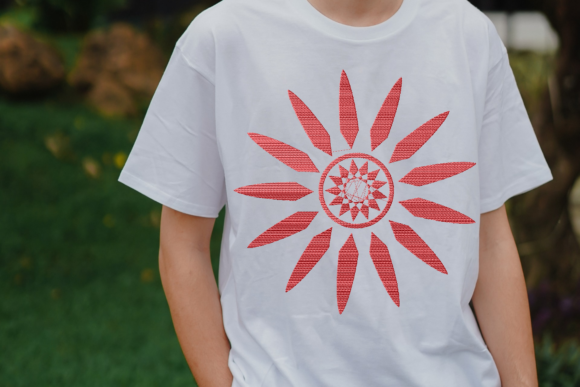
Blue Mandala: A Craft Fair-Ready Embroidery Design
First Impression: Calm, Contemporary, and Curiously Captivating
As an embroidery designer who’s prepped over 200 craft fair booths—from snowy Vermont markets to sun-drenched Southern pop-ups—I opened Blue Mandala expecting elegance. What I got was something sharper: a quietly confident, modern mandala that feels both meditative and market-ready. It’s not “boho rustic” or “festive glitter”—it’s clean, intentional, and refreshingly uncluttered. The word “blue” in the title sets clear tonal expectations: think indigo ink, denim wash, slate linen—not baby blue or neon. That subtle specificity makes Blue Mandala instantly legible on a crowded booth table. Customers don’t pause to decode it; they *feel* its balance before they even read the tag.
Where Blue Mandala Shines On Real Craft Fair Products
This design thrives where craftsmanship meets function—and where handmade quality is visible at arm’s length.
- Tote bag design: Centered on a natural canvas tote (30–40 cm diameter), Blue Mandala reads as premium, not printed. Its symmetry anchors the bag without overwhelming it—ideal for shoppers seeking elevated everyday carry.
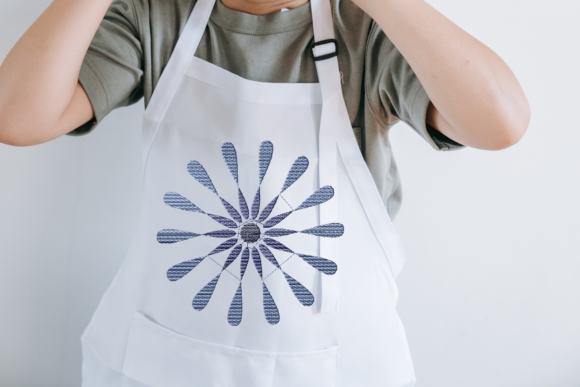
- Apron embroidery: Placed just below the waistband on a linen-cotton blend apron, it adds quiet sophistication. Not too bold for kitchen use, not too small to miss—just right for foodie makers and boutique cafes.
- Tea towel embroidery: Works beautifully on medium-weight cotton towels. Avoid overly textured terry weaves—Blue Mandala needs smooth fabric texture to let fine line work breathe. On flat-woven linens? Absolutely stunning.
- Embroidered patch: At 6–8 cm, it holds detail without stitch crowding. Perfect for iron-on or sew-on patches sold individually or bundled with pins and thread kits.
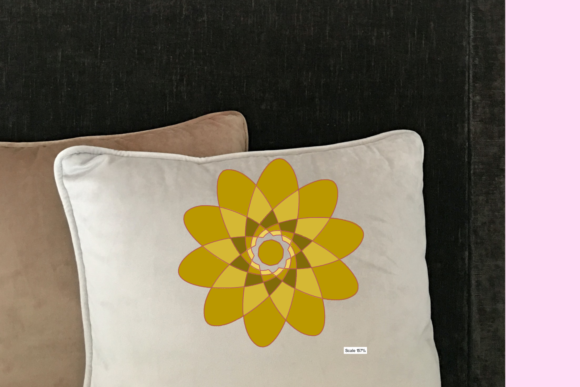
- Fabric pouch & pillow cover: As a focal motif on a 12×12” pouch or 16×16” pillow cover, Blue Mandala delivers visual weight and cohesion—no extra embellishment needed.
It’s less effective on curved cap surfaces or dense fleece—those demand simplified outlines or reduced stitch density. And while it photographs well for Etsy listings, avoid dark fabric backgrounds unless you’ve tested thread contrast thoroughly. Light-to-mid blue threads pop best on cream, oat, charcoal, and soft navy.
Production Practicality: Speed, Scale, and Sellability
Blue Mandala is a strong candidate for batch production—if you respect its structure. It reads clearly at 7 cm (as a pocket accent) and holds integrity up to 15 cm (as a tote centerpiece). That scalability means one embroidery file can serve multiple product tiers: small shop product, wholesale-ready pillow cover, and digital embroidery file bundle—all from the same core design asset.
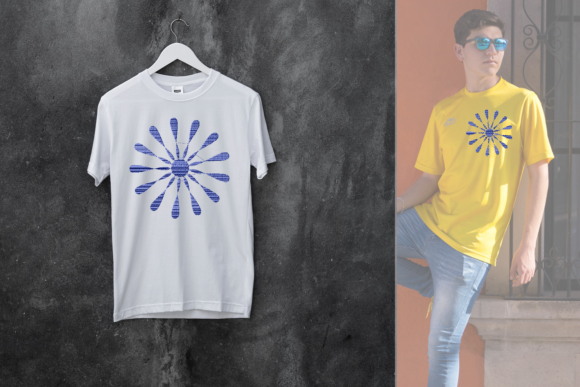
Photography is effortless: centered, flat-lit, on neutral backdrops, it translates cleanly to printable mockups and Instagram carousels. For Etsy sellers, that means faster listing builds and higher click-through on search terms like “mandala embroidery,” “blue embroidery design,” and “handmade tote bag.”
But here’s the catch: this isn’t a “stitch-and-go” file. The description hints at multi-part construction (“comes with multi…”), which often means layered fills or delicate inner motifs. That increases stitch density—so test on scrap fabric first. Dense areas can pucker thin cottons or sink into terry cloth. Use cutaway stabilizer for structured items (totes, pouches) and tear-away for tea towels and aprons.
Craft Fair Booth Impact: Clarity, Cohesion, and Conversation
In a sea of florals, quotes, and cartoon animals, Blue Mandala stands out by *not* shouting. Its symmetry invites pause. Its blue tone harmonizes with natural fiber displays—jute, linen, raw cotton—making your booth feel curated, not cluttered. When paired with matching thread colors across products (e.g., same indigo thread on totes, towels, and patches), it reinforces brand consistency—even if you’re a solo maker with no logo yet.
Shoppers touch it. They tilt their heads. They ask, “What does it mean?” That’s your opening to share the gentle ritual in the description—“Be sure to make a wish before you embroider the mandala.” That tiny human detail transforms a decorative motif into a meaningful handmade product. It’s not just embroidery—it’s intention stitched in.
Designer Notes You Can’t Skip Before Your First Hoop
- Test on scrap fabric that matches your final product—especially for textured tea towels or thick denim totes.
- Check thread contrast under natural light. Some blues vanish on navy or black fabric unless you switch to metallic or high-sheen rayon.
- Review spacing and fill density. If inner circles look muddy or outer petals blur together, reduce fill density or increase underlay.
- Confirm hoop size before cutting fabric—some mandala layouts require larger hoops (180mm+), which limits portable machine options.
- Use the right stabilizer. Too little = puckering. Too much = stiff, unnatural drape—especially on lightweight aprons or pouches.
- Create at least one real mockup—not just a digital preview. See how it moves, folds, and wears.
- Compare fabric colors side-by-side. A single thread color behaves differently on oat vs. ivory vs. heather gray.
- Confirm commercial licensing before selling finished products. The phrase “machine embroidery design” implies digital distribution—but verify usage rights before listing on Etsy or wholesaling to boutiques.
Final Thought: Blue Mandala Is a Quiet Seller
It won’t dominate your booth like a giant embroidered owl or a sassy slogan—but it will convert. Consistently. It appeals to mindful buyers, gift-givers, interior-focused makers, and customers who value subtlety over saturation. As a craft fair product, it bridges the handmade and the timeless. As a small shop product, it scales cleanly. As an embroidery file, it earns repeat downloads when styled thoughtfully across product categories. Just remember: its strength lies in restraint. Let the mandala breathe. Choose fabrics that honor its clarity. And yes—make a wish before you hoop it. You’ll need the good energy.